SUBJECT FILE NO. IJM-0041
CLASSIFICATION: HISTORICAL ARCHIVE
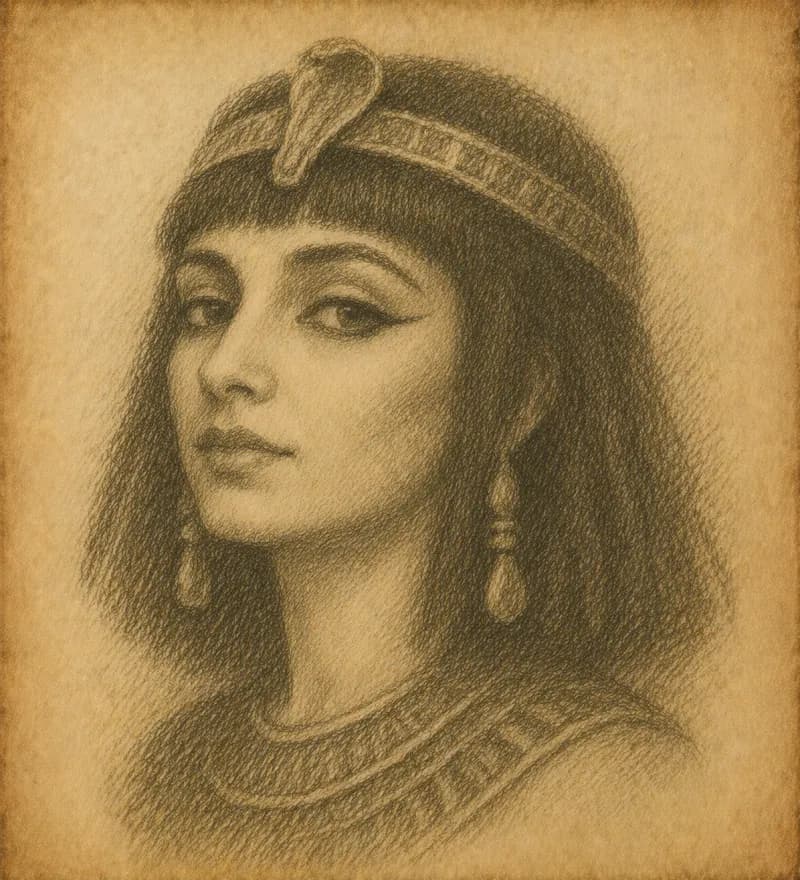
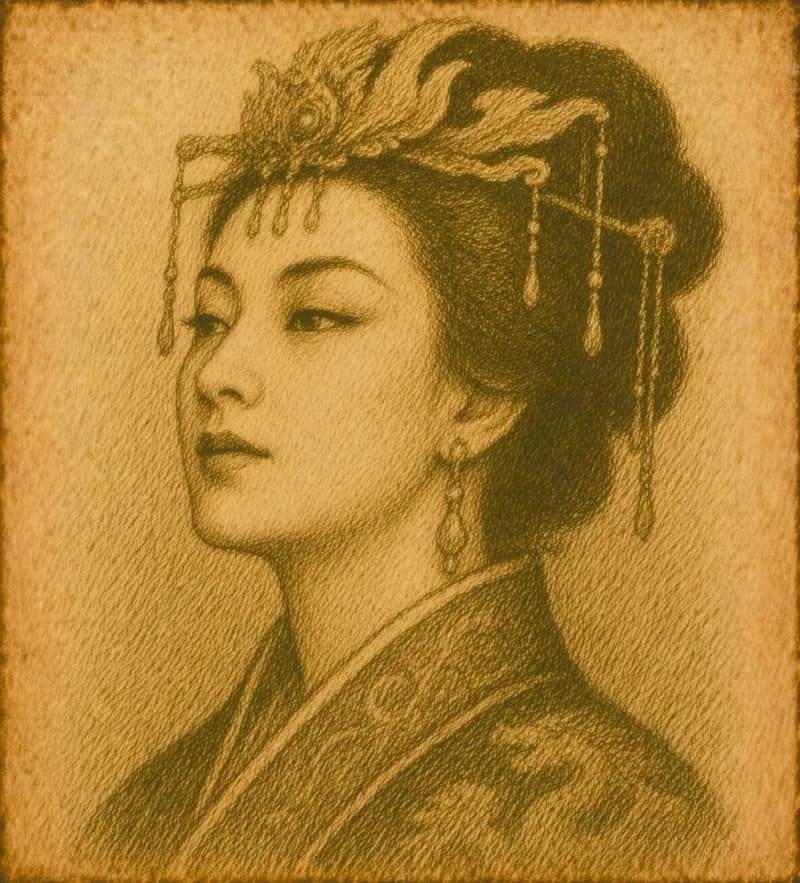
Wu Zetian
Wu Zetian
Empress of China
SECTION I -- SUBJECT PROFILE
| Name | Wu Zetian |
|---|---|
| English | Wu Zetian |
| Nationality | China |
| Lifespan | 624–705 |
| Gender | Female |
| Century | 6th-10th C. |
| Field | Politics |
| Title | Empress of China |
SECTION II -- OVERVIEW
Wu Zetian was born in 624 in what is now Shanxi province, the daughter of the wealthy timber merchant Wu Shihuo, who had generously funded Li Yuan in the wars that founded the Tang dynasty, and was rewarded with high office.Unlike most well-born girls of her age, she was encouraged by her father to read, write, and debate, and she grew up steeped in literature, music, and horsemanship.
Her father's death when she was twelve, and the harshness of her mother's treatment at the hands of half-brothers from her father's first marriage, left her with a lifelong sensitivity to the vulnerability of women without protection.The first turning point came at fourteen, when her beauty and unusual learning caught the eye of the emperor Taizong, and she was summoned to the palace as a fifth-rank concubine with the title Cairen.
In over a decade of service she gained few real favors, but she quietly befriended the crown prince, the future emperor Gaozong.When Taizong died in 649, Wu, like other concubines, was sent to a Buddhist convent to have her head shaved and live as a nun for life.
Gaozong, however, could not forget her.Within a few years he brought her back to the palace, and she rose with astonishing ruthlessness, displacing the reigning Empress Wang in 655 and assuming the title of empress herself.
The second, revolutionary turning point came as the sickly Gaozong increasingly delegated state business to her.She moved against the old aristocratic clans, expanded the imperial examination system so that officials could rise on talent rather than birth, sponsored vast Buddhist projects including the colossal Buddha at Longmen, and even invented about twenty new Chinese characters for her own name and key concepts.
After Gaozong's death in 683 she ruled through her sons before finally, in 690, at sixty-six, taking the imperial title herself as founder of the Zhou dynasty, the only woman in Chinese history to reign openly as emperor.Under her fifteen-year rule Tang territory reached new limits and the economy prospered.
Forced to abdicate in 705, she died soon after at eighty-two.
SECTION III -- CHRONOLOGY
SECTION IV -- NOTABLE STATEMENTS
“I am the one who decides.”
SECTION V -- FIELD NOTES
[A]From lowest concubine to sole female emperor
Wu Zetian rose from the lowest rank of concubine to become the only female emperor in Chinese history, ruling for 15 years during which the empire prospered.
SECTION VI -- LEGACY & IMPACT
Wu Zetian shattered the ultimate gender barrier in Chinese history by becoming the only woman to rule as emperor in her own right. She expanded the civil service examination system to select officials based on merit rather than birth, professionalizing Chinese governance. Her reign saw territorial expansion, economic prosperity, and cultural flourishing, proving that effective rulership transcended gender.
SECTION VII -- MAJOR WORKS
- [01]Establishment of the Zhou dynasty (690)
- [02]Expansion of the imperial examination system
- [03]Patronage of Buddhism and construction of the Longmen Grottoes
- [04]Creation of new Chinese characters
- [05]The Wordless Stele at Qianling Mausoleum